Mayor Johnson Joins Chicago 'No Kings' Immigration Protest Amidst Calls to "Fight Fascism"
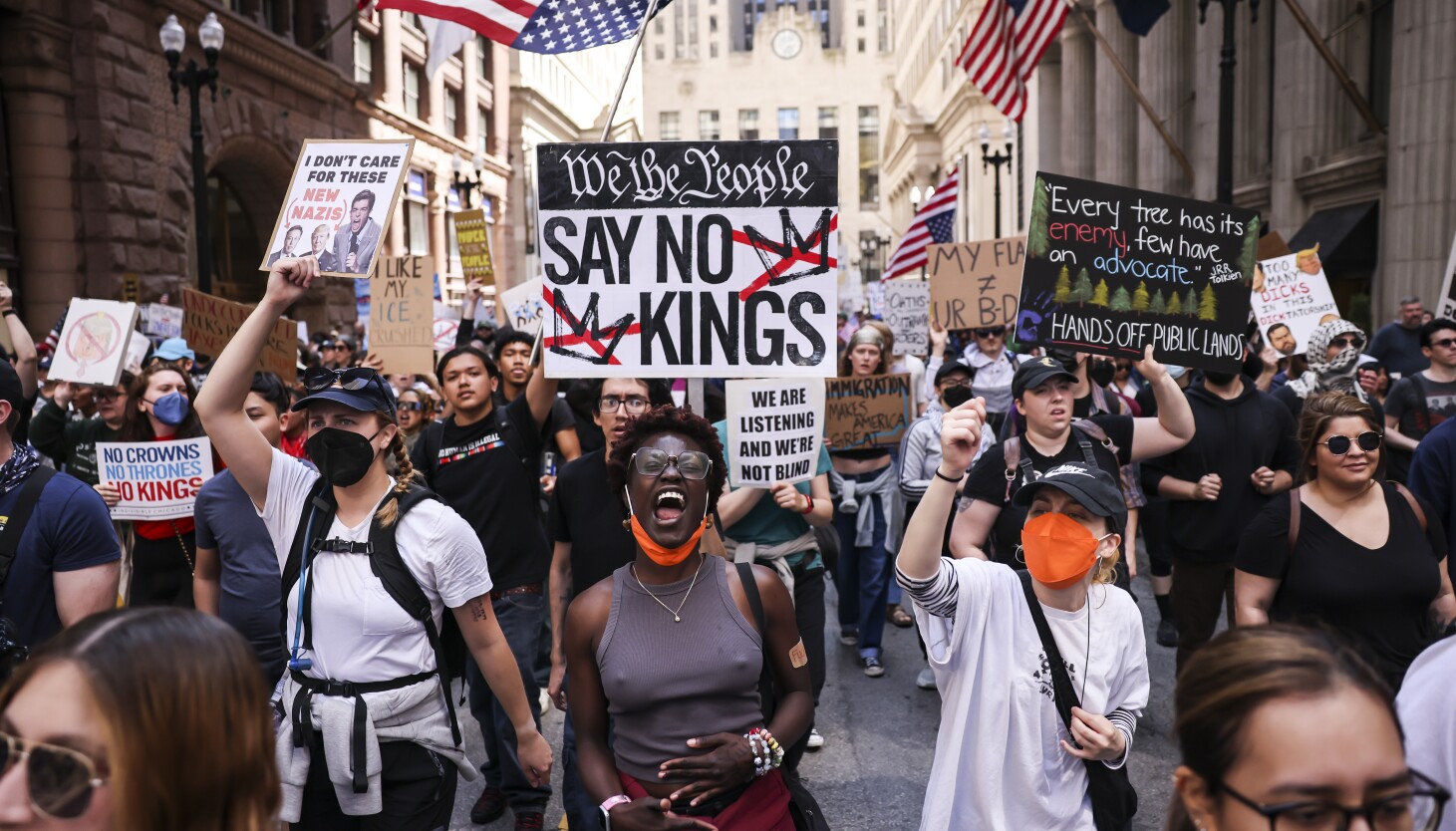
Chicago, a city known for its vibrant activism and robust political discourse, became the epicenter of a significant immigration protest when thousands gathered for the "No Kings" rally. This high-stakes demonstration, aimed squarely at the Trump administration's immigration enforcement policies, saw an unprecedented level of political involvement, with Mayor Brandon Johnson and Governor JB Pritzker joining the throngs. What began as a large-scale, organized protest in Grant Park eventually culminated in a tense standoff and clashes outside the Immigration and Customs Enforcement (ICE) facility in Broadview, underscoring the deep divisions and fierce emotions surrounding the issue. The Chicago No Kings Protest wasn't just a local outcry; it mirrored a nationwide sentiment of defiance against what many perceived as increasingly authoritarian federal practices.
The event, described by organizers as the "Hands off Chicago" rally, drew a diverse crowd united by a common message: opposition to aggressive immigration enforcement. Speakers voiced harrowing personal accounts, painting a grim picture of families torn apart by raids and deportations. One powerful testimony from a representative of The Immigration Project resonated deeply, highlighting the fear and disruption faced by immigrant communities. "Our dads and grandpas are being kidnapped for going to work to build American homes," she claimed, "Our moms are being kidnapped when they go to the grocery store. This has been the most horrific month of our lives." These emotional appeals served as a potent reminder of the human cost at the heart of the policy debate, fueling the determination of those who gathered.
The Genesis of the Chicago No Kings Protest: A City's Stand Against Immigration Policies
The "No Kings" movement itself, a nationwide series of demonstrations, embodies a rejection of centralized, unchecked power, particularly in the context of immigration. The Chicago iteration began around noon in the iconic Grant Park, drawing an immense crowd that stretched across the downtown landscape. Footage captured from above depicted thousands assembling, signaling the sheer scale of the community's engagement. The dominant theme was clear: a categorical opposition to the enforcement of federal immigration laws that many in Chicago view as unjust and inhumane. This sentiment is particularly strong in "sanctuary cities" like Chicago, where local leaders often seek to create a buffer between federal agencies and their immigrant populations.
The rally served as a platform for countless individuals, like Israel Hernandez, to articulate their motivations. Hernandez, among thousands packing the streets, expressed a desire to be a voice for the voiceless, for those who live in constant fear. These grassroots testimonies added significant weight to the protest, transforming it from a mere political gathering into a deeply personal crusade for many. The organizers' decision to name it the "Hands off Chicago" rally further solidified the message that the city intended to protect its residents from federal interventions, laying the groundwork for the more confrontational aspects that would later unfold.
Mayoral Leadership and Fiery Rhetoric: Johnson and Pritzker on the Frontlines
What distinguished this Chicago No Kings Protest was the prominent involvement of key political figures. Mayor Brandon Johnson delivered a blistering address to the assembled crowd, directly accusing President Trump and his administration of having "declared war on Chicago and cities across this country." His rhetoric escalated, calling upon attendees to "fight fascism" and even asserting that the administration had "clearly decided they want a rematch of the Civil War." Such strong statements from a sitting mayor undoubtedly galvanized the protesters, lending significant political legitimacy and weight to their cause. The presence of a city's highest elected official at a demonstration of this nature is a powerful symbol, indicating a clear alignment between the city's leadership and its activist base.
Further amplifying the impact, Illinois Governor JB Pritzker also joined the protest, leading marchers as they departed Grant Park. His participation underscored the statewide opposition to the federal government's stance on immigration and served to unify various protest groups under a common banner. The sight of both the Mayor and the Governor marching alongside citizens sends a powerful message about the depth of feeling and the political stakes involved. This high-level political endorsement not only boosted morale but also highlighted the tension between state and federal authorities regarding immigration policy. For activists, having such prominent figures join their ranks provides a sense of validation and encouragement, reinforcing the idea that their fight has a broader political backing.
From Peaceful March to Confrontation: The Broadview ICE Facility Standoff
The march from Grant Park wound its way through downtown Chicago, notably along Michigan Avenue and past Trump Tower, before merging with other groups and heading towards the suburbs. The eventual destination was the Immigration and Customs Enforcement (ICE) processing center in Broadview. This shift from a city park to a federal facility marked a strategic escalation, moving the protest from symbolic demonstration to direct confrontation with the apparatus of immigration enforcement. It was here that the nature of the Chicago No Kings Protest took a more volatile turn.
As the evening progressed, a large crowd, including elements identified as Antifa and other militants, formed outside the Broadview ICE center. Authorities had issued orders to vacate the area by the onset of a 6 p.m. curfew, but these commands were defiantly ignored. What followed was a tense standoff that eventually escalated into clashes between protesters and law enforcement. County and state police were compelled to forcefully drive the defiant mob away from the facility. This confrontation was not isolated; open borders agitators had been specifically targeting the Broadview facility since the launch of "Operation Midway Blitz," an enforcement initiative that had led to increased ICE activity in the region. The events at Broadview served as a stark reminder of the volatile intersection where federal policy meets local activism. For a detailed account of these clashes, readers can refer to Antifa Clashes at Broadview ICE During Chicago No Kings Rally, and for the broader unfolding of the events, see Chicago No Kings Protest: Riot at ICE Facility Unfolds.
Understanding the Stakes: The Broader Context of Immigration Enforcement
The Chicago No Kings Protest wasn't merely a reaction to specific enforcement actions; it was a powerful manifestation of a long-standing national debate over immigration policy, human rights, and the role of federal vs. local authority. The personal stories shared by activists, like the fear of parents being "kidnapped" for going about their daily lives, underscore the profound emotional and social impact of aggressive immigration enforcement. These narratives often fuel public support for "sanctuary" policies, where cities limit cooperation with federal immigration efforts, viewing it as a way to protect vulnerable populations and foster trust within communities.
For individuals and communities affected by these policies, the stakes are incredibly high, touching upon fundamental aspects of family unity, economic stability, and basic human dignity. The "No Kings" movement, with its emphasis on resisting perceived tyrannical authority, resonates deeply in this context. It calls for a re-evaluation of enforcement strategies, urging a more compassionate and comprehensive approach to immigration. Understanding these complex layers is crucial for anyone seeking to engage with or comprehend the dynamics of such protests.
Practical Tip for Civic Engagement: When participating in or organizing protests, it's vital to understand local ordinances regarding public gatherings, curfews, and assembly. While freedom of speech and assembly are fundamental rights, adherence to legal guidelines can help ensure the message is heard without unnecessary escalation. Know your rights, and understand the boundaries.
Conclusion
The Chicago No Kings Protest stands as a powerful testament to the city's commitment to its immigrant communities and its willingness to challenge federal policies it deems unjust. From the unifying speeches of Mayor Brandon Johnson and Governor JB Pritzker in Grant Park to the tense confrontations outside the Broadview ICE facility, the event encapsulated a wide spectrum of civic action. It showcased the strength of grassroots activism, the influence of political leadership, and the often-volatile intersection of differing ideologies on immigration. As the national conversation around immigration continues to evolve, the events of the Chicago No Kings Protest serve as a critical case study, reminding us of the profound human element at play and the persistent call for dignity and justice for all within America's borders.