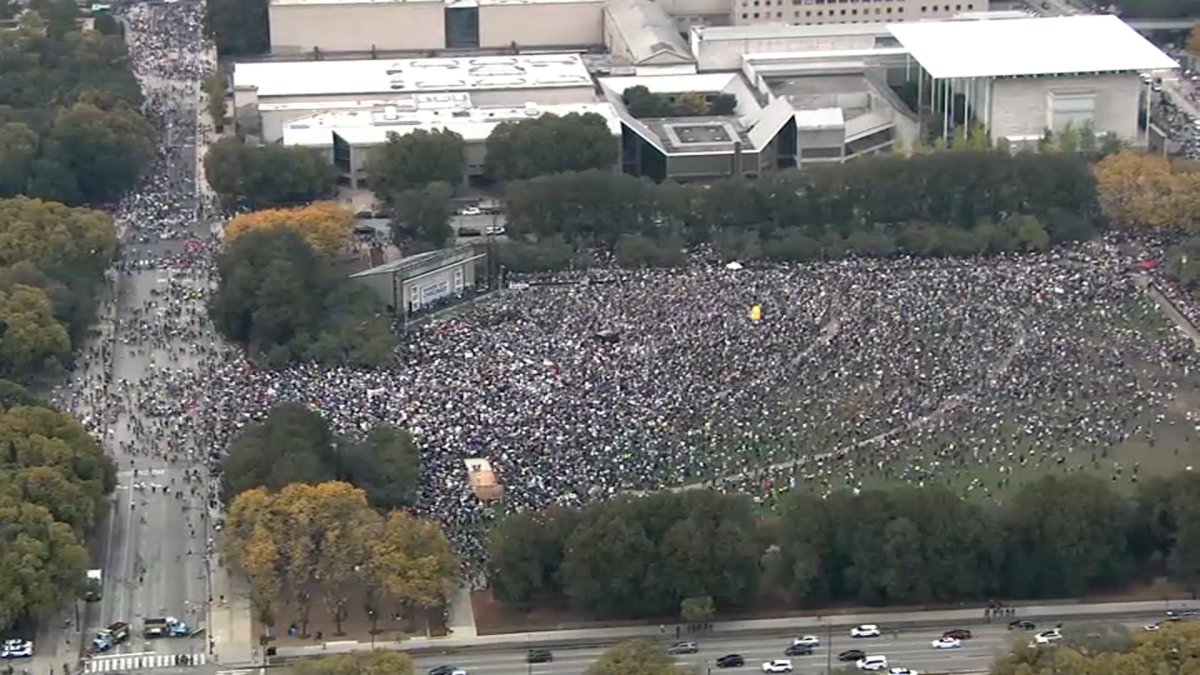
The Genesis of the "No Kings" Movement in Chicago
Chicago became a focal point for national dissent against federal immigration policies when the "Chicago No Kings Protest" culminated in significant unrest outside a federal immigration facility. This event was part of a broader series of "No Kings" rallies held across the nation, driven by a collective opposition to the Trump administration's immigration enforcement efforts and what many described as increasingly authoritarian practices. On a significant Saturday, thousands converged in downtown Chicago, aiming to send a clear message.
The day's events began around noon in the expansive Grant Park, where a massive crowd gathered under the banner of what organizers called the "Hands off Chicago" rally. The dominant theme echoed by speakers and protestors alike was a vehement opposition to current immigration law enforcement. Emotional testimonials fueled the gathering, with one speaker from The Immigration Project articulating the profound fear and distress within immigrant communities. "Our dads and grandpas are being kidnapped for going to work to build to American homes," she claimed, painting a grim picture of family separation and community disruption. "Our moms are being kidnapped when they go to the grocery store." She emphasized the deep emotional toll, stating, "This has been the most horrific month of our lives." Such powerful sentiments underscored the personal impact of policies on individuals and families, illustrating the deeply personal stakes involved for many participants.
From Downtown Streets to Suburban Standoff: The March to Broadview
As the rally progressed, the energy from Grant Park transitioned into a purposeful march through the heart of Chicago. The massive procession wound its way through downtown, including along iconic Michigan Avenue and near Trump Tower, symbolizing a direct challenge to the administration's presence and policies. Illinois Governor JB Pritzker was observed leading marchers, signifying the involvement of high-profile political figures in the demonstration. The initial groups from Grant Park merged with other protest organizations along the way, swelling the numbers and amplifying the collective voice. This convergence highlighted the wide array of groups united by common grievances against federal immigration actions.
The ultimate destination for a significant portion of the demonstrators was the Immigration and Customs Enforcement (ICE) processing center in Broadview, a suburb of Chicago. This facility had reportedly been a repeated target for "open borders agitators," particularly since the launch of Operation Midway Blitz, an initiative that had led to increased enforcement actions. The march transformed into a direct confrontation with the physical manifestation of the policies they were protesting. The presence of such a large and determined crowd outside the ICE facility signaled a shift from peaceful demonstration to a more direct challenge to authority, setting the stage for the unfolding events.
The Confrontation at the ICE Facility: Curfew, Defiance, and Dispersal
As evening approached, the situation at the Broadview ICE facility escalated dramatically. A "mob," as described by some on-the-ground sources, had formed outside the center. The atmosphere grew increasingly tense as a 6 p.m. curfew approached. Despite orders from county and state law enforcement to vacate the area, groups identified as Antifa and other militants defiantly remained, refusing to disperse. This refusal marked a critical turning point, pushing the protest into a direct standoff with authorities.
The defiance of the curfew and direct orders led to an inevitable confrontation. Law enforcement, comprising county and state agencies, initiated actions to forcefully drive the recalcitrant crowd away from the facility. The situation, characterized by clashes and the use of force, ultimately culminated in what was widely reported as a riot. This intense conclusion underscored the challenges faced by both protestors in asserting their demands and law enforcement in maintaining public order. The events at Broadview served as a stark reminder of the volatile intersection where passionate activism meets official authority. For more details on the specific groups involved in the confrontation, you can read about
Antifa Clashes at Broadview ICE During Chicago No Kings Rally.
Political Rhetoric and the Broader Context of Immigration Protests
The "Chicago No Kings Protest" was not merely a local event; it was deeply intertwined with broader political narratives and national sentiment. Mayor Brandon Johnson’s address to the Grant Park crowd was particularly noteworthy. He asserted that President Trump and his administration had "declared war on Chicago and cities across this country," and he issued a fervent call to attendees to "fight fascism." Mayor Johnson further intensified his rhetoric by stating, "They have clearly decided they want a rematch of the Civil War." Such strong political endorsements from elected officials can significantly shape the tone and direction of protests. You can find more information about the mayor's involvement here:
Mayor Johnson Joins Chicago 'No Kings' Immigration Protest.
The context of these demonstrations extends beyond singular events. They represent a significant response to federal policies, particularly those perceived as impacting immigrant communities severely. The "No Kings" movement itself reflects a deep-seated resistance to what many view as overreaching governmental power. Understanding the full scope requires looking at the diverse motivations of participants, from those advocating for immigrant rights to those expressing broader anti-government sentiments. These protests highlight the ongoing tension between federal enforcement priorities and local community values, often placing cities like Chicago at the forefront of national debates.
Understanding the Dynamics of Public Demonstrations
Such large-scale demonstrations, particularly those involving a wide array of groups and strong political rhetoric, inherently carry complex dynamics. For citizens participating, understanding the legal boundaries of protest is crucial. While the right to peaceful assembly is fundamental, defying lawful orders such as curfews can lead to arrests and escalation. For protest organizers, clear communication regarding objectives, routes, and conduct is essential to maintain control and ensure the safety of participants.
From the perspective of law enforcement, managing passionate crowds while upholding constitutional rights presents a delicate balance. The goal is often to facilitate peaceful protest while preventing property damage, violence, and disruption to public order. The challenge is amplified when certain elements within a protest actively seek confrontation or disregard directives. The events in Broadview underscore the volatile nature that can emerge when these differing objectives collide, leading to moments of crisis.
Navigating the Complexities of Public Assembly and Enforcement
The "Chicago No Kings Protest" serves as a powerful illustration of the complexities inherent in modern social activism and governmental response. On one hand, it showcased the profound commitment of thousands of individuals willing to publicly express their dissent against policies they deem unjust. The raw emotion and personal testimonies from groups like The Immigration Project humanized the abstract concept of immigration policy, bringing to light the very real impact on families and communities. The presence and vocal support of prominent political figures like Mayor Johnson and Governor Pritzker also underscore the deeply politicized nature of immigration debates, often drawing clear lines between local governance and federal mandates.
On the other hand, the transformation of a peaceful rally into a "riot" at the ICE facility in Broadview highlights the precarious balance between civil disobedience and maintaining public order. The defiance of a lawful curfew by some elements within the protest, particularly groups described as Antifa and other militants, forced law enforcement to intervene. This inevitably leads to questions about the responsibilities of both protestors and authorities in ensuring that demonstrations remain constructive and safe. The incidents emphasize the need for clear communication from both sides and a commitment to de-escalation whenever possible to prevent harm and preserve the integrity of both the protest message and public safety.
Key Takeaways for Future Engagements
For those interested in the dynamics of public protest and political engagement, several points emerge from the Chicago No Kings Protest:
- The Power of Personal Narratives: The impact of testimonies from groups like The Immigration Project demonstrates how individual stories can galvanize collective action.
- Role of Political Leadership: The involvement and rhetoric of elected officials can significantly shape the tone and perceived legitimacy of a protest movement.
- Distinction Between Protest and Unlawful Assembly: Participants must be aware of the legal boundaries that define peaceful protest versus actions that could lead to arrests or escalation.
- Law Enforcement's Dual Role: Authorities are tasked with both protecting the right to protest and maintaining public safety, a challenging balance in highly charged situations.
- Understanding Diverse Motivations: Large protests often comprise individuals with a spectrum of motivations, from specific policy changes to broader ideological resistance, which can influence collective behavior.
In conclusion, the Chicago No Kings Protest was a multifaceted event, beginning as a broad demonstration against federal immigration policies and escalating into a direct confrontation at an ICE facility. It vividly demonstrated the passionate commitment of activists, the polarizing rhetoric surrounding immigration, and the inherent challenges in managing large-scale public dissent. The events in Chicago serve as a critical case study in the ongoing dialogue about immigration, civil rights, and the nature of protest in a democratic society, leaving a lasting impact on both local communities and the national political landscape.